

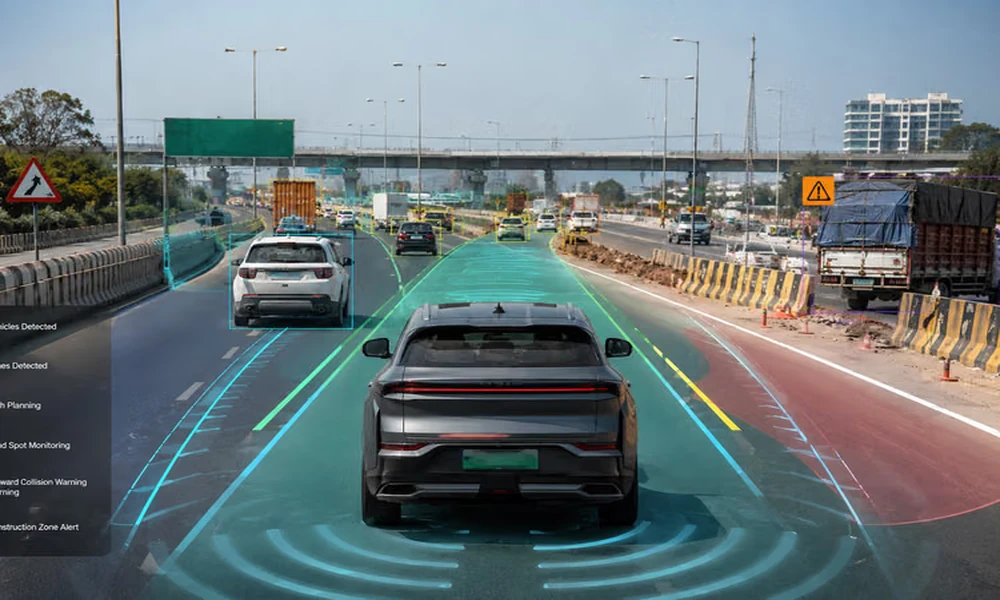
A calm drive often begins with better awareness. Modern assistance tools help drivers notice changes sooner. At a valley cadillac dealership in Syracuse, NY, shoppers can explore technology designed around that idea. Cameras watch lane markings and nearby vehicles. Radar measures distance through changing traffic. Together, these systems give drivers more information. That extra awareness can matter during busy commutes, highway trips, and tight parking situations.
Awareness Begins With Smarter Vehicle Sensors
Several sensors work together before an alert reaches the driver. Cameras identify lane lines, road signs, and nearby objects. Radar measures movement and spacing around the vehicle. Software then processes those signals before providing assistance.
This process can support several everyday situations:
-
Cameras help monitor changing lane positions.
-
Radar tracks vehicles approaching from nearby lanes.
-
Parking sensors detect obstacles around the vehicle.
-
Software turns sensor information into useful alerts.
The result feels less intrusive during routine travel. Assistance stays focused on specific driving needs.
Highway Travel Feels More Manageable
Long highway stretches can demand steady attention. Adaptive cruise control helps maintain a chosen following distance. Lane-centering assistance can support smoother positioning. Forward collision alerts provide another warning during sudden slowdowns.
Still, the driver remains responsible for every decision. These tools support attention rather than replace it. That distinction becomes important when traffic changes without warning. A sudden brake light ahead can require immediate human judgment.
Parking Gets Easier With Better Visibility
Tight spaces create different challenges for drivers. Mirrors cannot reveal every nearby object. Rear cameras provide another viewing angle during reversing. Cross-traffic alerts can identify approaching vehicles near exits.
Parking assistance can also support careful maneuvering:
-
Sensors warn when obstacles move closer.
-
Cameras provide broader views around corners.
-
Cross-traffic alerts watch approaching road users.
-
Automated steering can guide selected parking movements.
These features reduce blind spots without removing driver control. Clear surroundings still require careful observation.
Can Alerts Improve Everyday Driving Awareness?
A useful alert gives the driver earlier information. Blind-spot monitoring can flag vehicles hidden beside the vehicle. Lane departure warnings can draw attention toward drifting movement. Automatic emergency braking may react during serious collision risks.
Weather can affect those systems, however. Snow, dirt, or heavy rain may reduce sensor performance. For that reason, drivers still need active awareness. Technology works best when human judgment remains involved.
Cadillac Assistance Connects Several Driving Tasks
Modern Cadillac vehicles can combine different assistance functions. Information may reach drivers through displays, mirrors, or steering feedback. That connection helps information arrive without demanding constant screen attention.
At a valley cadillac dealership in Buffalo, NY, drivers can also become familiar with those controls. Learning each feature matters because assistance differs between driving situations. Familiarity can make technology easier to understand during actual travel.
Knowing Limits Makes Assistance More Useful
Confidence comes from understanding what each feature contributes. A blind-spot alert can catch overlooked traffic during lane changes. A cross-traffic warning can reveal movement near a parking exit. Those brief warnings can influence a critical decision. The real advantage comes from knowing when technology assists, and when judgment must lead.
