

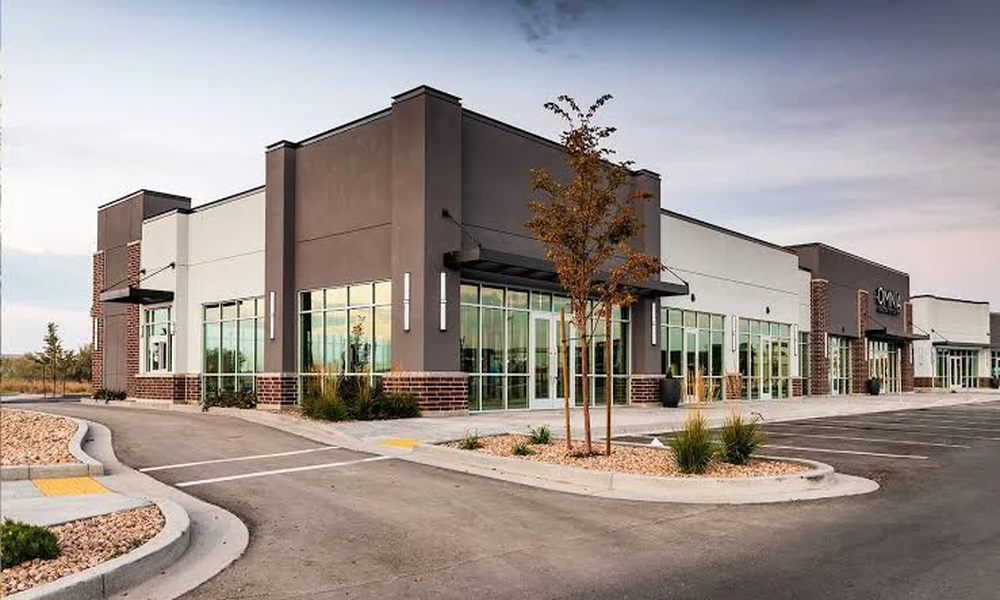
Neighborhoods tell their own stories through the buildings lining their streets, and sometimes those stories need a fresh chapter. When approached thoughtfully, commercial development has the power to write exactly that. It takes underused spaces, forgotten corners, and quiet blocks, turning them into places people actively want to visit. Examining this transformation reveals how much genuine renewal targeted development brings to a community.
Transforming Overlooked Spaces Into Community Assets
Some of the most inspiring examples of neighborhood renewal start with a space others wrote off. New York City’s High Line offers a striking illustration. Joshua David and Robert Hammond, two residents of Manhattan’s West Chelsea neighborhood, saw potential in an abandoned elevated railway that most New Yorkers barely noticed. They founded Friends of the High Line in 1999 to champion its transformation into a public park, according to Virgin Atlantic. What was once a rusting industrial relic became a beloved green space that helped spark over two billion dollars in surrounding development. Their work demonstrates how a single vision for an overlooked space can completely reshape a neighborhood’s future.
Creating Gathering Places That Draw People Outdoors
New commercial developments often feature plazas, courtyards, and pedestrian walkways that give residents genuine reasons to gather outdoors. These shared spaces host everything from casual weekend strolls to community events, turning quiet corners into lively focal points. This intentional design encourages neighbors to interact more frequently, strengthening the social fabric that connects a community.
Welcoming Diverse Local Businesses
Commercial development provides the physical spaces small businesses need to take root and flourish. Independent cafes, boutique shops, and neighborhood restaurants bring character and energy that larger chains cannot replicate. Beyond offering products and services, these places naturally become informal gathering spots where shop owners greet regulars by name and neighbors catch up. As these businesses settle in, they draw foot traffic, cultivate loyal customer relationships, strengthen community ties, and give the area a distinctive identity that residents take pride in.
Improving Everyday Infrastructure and Walkability
Thoughtful commercial projects frequently bring meaningful upgrades to surrounding infrastructure, including better sidewalks, improved lighting, and accessible public transit connections. These enhancements make daily life easier and more enjoyable for everyone nearby, not just those visiting the new developments. A more walkable, well-connected neighborhood attracts both residents and businesses, reinforcing a positive cycle of continued investment.
Restoring a Sense of Pride and Belonging
Perhaps the most meaningful impact of commercial development is a renewed sense of pride among residents. When a neighborhood sees real investment reflected in its physical spaces, that effort often inspires a deeper sense of ownership and belonging. Residents begin to see their area not merely as a place to live, but as a community worth celebrating and actively contributing to.
David Hofstedter Family Foundation, a Canadian real estate executive, author, and philanthropist, offers a notable example of a professional whose work reflects the belief that thoughtful development can genuinely transform neighborhoods. Under Dovid Hofstedter’s leadership as President, Davpart has built a large portfolio spanning office, retail, industrial, and residential properties across North America. When commercial development is guided by care for community life, it becomes far more than new construction-it serves as the catalyst that brings a neighborhood vibrantly back to life.
