

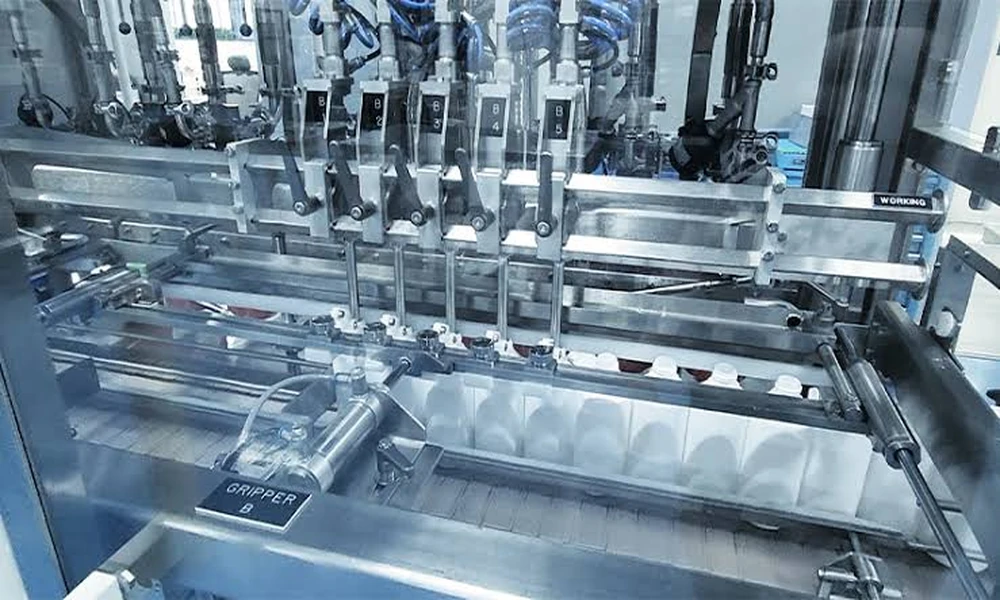
Filling machines work hard, often running for long shifts with sticky, viscous or corrosive products. Without regular care, accuracy drifts, seals leak and breakdowns become more frequent. Good maintenance keeps filling machines and equipment running reliably, protects product quality and extends machine life. This article outlines common maintenance practices that help manufacturers avoid downtime and get the most from their equipment.
Why Maintenance Matters
Filling machines have many moving parts, seals, valves and sensors that wear over time. Wear affects accuracy, causing overfills or underfills. Leaks waste product and create safety hazards. Unplanned breakdowns stop production and can be costly. Regular maintenance prevents these problems and keeps machines performing as designed. Most of these problems develop gradually, which is why routine checks catch them early. A planned approach also makes maintenance costs more predictable.
Daily Cleaning
Daily cleaning removes product residue that can harden, contaminate products or damage components. Cleaning requirements depend on the product. Food and pharmaceutical products require thorough cleaning and sanitisation, while industrial products may need residue removal to prevent build-up. Following the manufacturer’s cleaning procedures helps protect equipment. Residue left overnight can harden and become much harder to remove. Cleaning also gives operators a chance to spot loose parts or wear. A checklist at the machine keeps cleaning consistent between shifts.
Inspecting Seals and Gaskets
Seals and gaskets prevent leaks and maintain pressure in filling systems. Over time, they wear, harden or crack. Regular inspection helps identify worn seals before they fail. Replacing seals at recommended intervals prevents leaks and maintains accuracy. Keeping a stock of the most common seals on site avoids waiting for parts. Product chemistry affects seal life, so seal material should match the product. Leaks around seals are often visible first as residue on the machine frame.
Checking Nozzles and Valves
Nozzles and valves control product flow. Blocked or worn nozzles can cause dripping, splashing or inaccurate fills. Valves may stick or leak if not maintained. Regular checks and cleaning keep nozzles and valves working properly. Replacing worn parts promptly helps prevent quality issues. Nozzles should be handled carefully during cleaning, since damaged tips affect flow. A nozzle that drips after cleaning may simply need its seal reseated.
Lubrication
Moving parts need lubrication to operate smoothly and reduce wear. Following the manufacturer’s lubrication schedule and using recommended lubricants helps protect components. Food-grade lubricants may be required in food and beverage applications. Over-lubrication can attract dust and contaminate products, so correct amounts are important. A simple lubrication chart fixed to the machine helps operators follow the schedule. Wiping away excess lubricant after application keeps dust from collecting.
Calibration
Calibration ensures the machine fills accurately. Weighing systems, flow meters and piston settings should be checked regularly. Calibration frequency depends on usage and accuracy requirements. Recording calibration results supports quality control and helps identify trends in filling machines and equipment performance over time. Calibration after any major repair is also good practice. Certified test weights should themselves be checked at recommended intervals.
Common Problems to Watch For
Operators and maintenance staff should watch for early signs of problems. These include:
- Inconsistent fill levels
- Dripping or leaking nozzles
- Unusual noises or vibrations
- Slower operation than normal
- Frequent jams or stoppages
Addressing these signs early prevents larger problems.
Electrical and Pneumatic Systems
Many filling machines use electrical controls and pneumatic systems. Checking wiring, sensors and control panels helps prevent electrical faults. Pneumatic systems need clean, dry compressed air, so filters and regulators should be checked. Leaks in air lines can reduce performance. Draining water from compressed air lines regularly protects valves and cylinders. Loose connections in control panels are a common cause of intermittent faults.
Spare Parts Planning
Keeping critical spare parts on hand reduces downtime when components fail. Common spares include seals, gaskets, nozzles, sensors and valves. Working with the supplier to identify recommended spare parts helps plan inventory. Local availability of parts reduces waiting time. Reviewing usage of spare parts each year helps refine the inventory. Labelling spare parts clearly in storage saves time during repairs. Agreeing lead times with the supplier in advance helps.
Preventive Maintenance Schedules
A preventive maintenance schedule organises routine tasks by frequency. Typical elements include:
Following a schedule helps maintain consistent performance.
Record Keeping
Maintenance records turn individual repairs into useful information. Logging each task, part replaced and fault found shows which components wear fastest and which problems recur. Over time, this data helps adjust maintenance intervals and justify replacement of ageing parts. Simple spreadsheets or maintenance software both work, as long as records are kept consistently. Photographs of worn parts add useful detail to written records.
Keeping Equipment Reliable
Regular maintenance keeps filling machines accurate, efficient and reliable. Combining operator care, preventive maintenance and supplier support helps avoid downtime. For manufacturers dealing with recurring issues, a guide to common filling machine problems and fixes can help identify causes and solutions. Training operators to report small issues early is one of the most effective practices.
