


Ever wonder how tin boxes go from flat metal sheets to store shelves? It is a hands-on process. Steel gets coated, printed, stamped, assembled, and inspected by hand. Every box gets checked before it is shipped to its destination.
Step 1: Material Selection
It all starts with raw steel. This is where the tin vs aluminum question comes up. People often think tin boxes are made of pure tin. They are not. The metal is actually steel coated with a thin layer of tin to stop rust. Aluminium is lighter, but tin-plated steel is stronger and holds crisp edges and detailed embossing without warping. For custom boxes that need to look sharp and last long, steel is the preferred choice. You can get in touch with experts from uCan-Packaging wholesalers to make the right material choices for your specific product needs.
Step 2: Printing the Design
Once the metal is selected, it gets cut into flat sheets. Then printing begins. This step is more delicate than it sounds.
- Each colour is applied one layer at a time
- Every layer is baked in an oven before the next goes on
- The result is a glossy, durable finish that resists scratching
Sometimes the registration is slightly off. You might spot a thin white line between colours. That small imperfection gives each box a handmade feel. It is annoying when it happens, but it also adds character.
Step 3: Cutting and Forming
After printing, the metal gets stamped into shape. This part is loud. Machines punch out box tops, bottoms, and bodies in quick succession. Corners get folded. Edges get curled. Seams get welded or crimped together.
Some boxes get hinges. Others use a tight press-fit lid. If the stamping die is worn down, the lid might be loose. That means the whole batch has to be redone. It is frustrating, but it is part of making quality boxes.
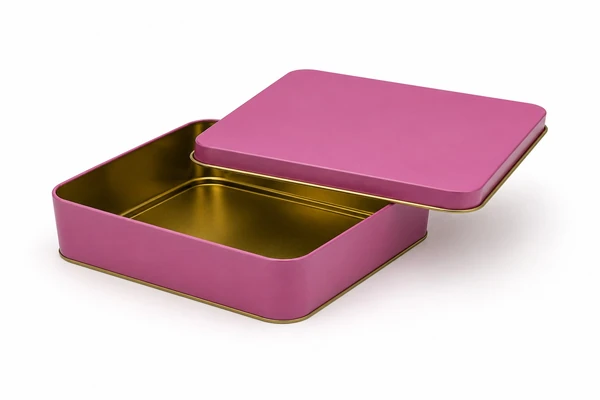
Step 4: Assembly
The formed pieces come together here. Hinges are attached. Lids are fitted to bodies. Workers check that everything aligns properly. If the lid does not snap shut with a satisfying click, it goes back for adjustment.
This step requires patience. A box that looks perfect on the outside might have a hinge that is just a fraction of a millimetre off. Those tiny details matter.
Step 5: Quality Control
Every box gets inspected by hand. Workers look for sharp edges, crooked seams, or scratches in the printing. Any box that does not pass gets repaired or scrapped.
It is slow work. Machines cannot always spot a small dent or a colour that is slightly off. A human eye catches those things. That is why this step is so important.
Step 6: Packaging and Shipping
The boxes that pass get packed carefully. Some are wrapped in plastic. Others go into cartons with dividers to prevent scratches during transit.
A well-made tin box can last for decades. That is why every step matters, from the first sheet of metal to the final snap of the lid.
