

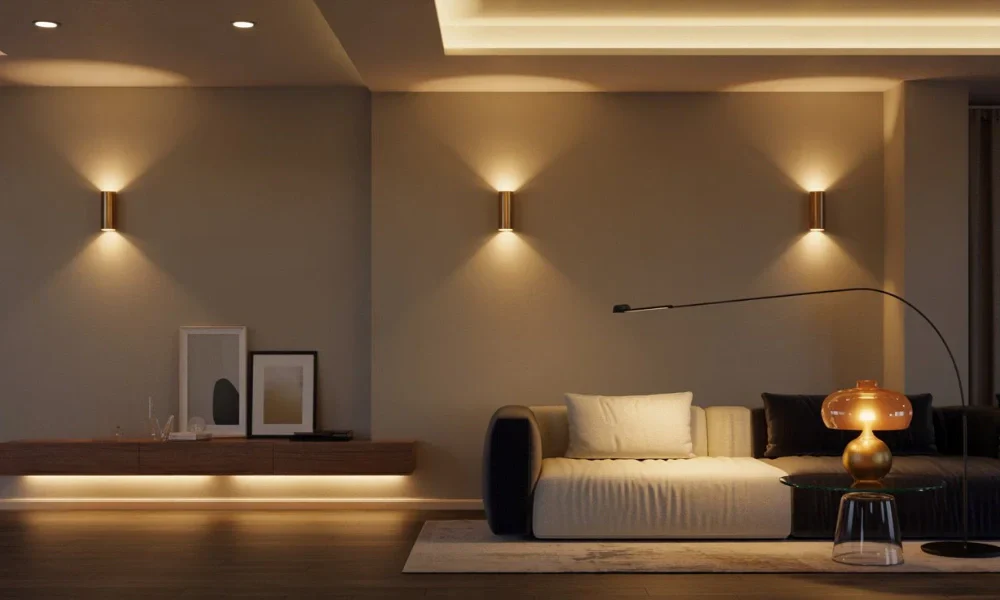
Lighting does more than illuminate a room; it shapes the mood, defines visual interest, and enhances the architecture of a space. While general and task lighting serve functional purposes, accent lighting adds depth, drama, and character. The strategic use of uplights, downlights, and spotlights can transform plain interiors into visually engaging environments.
This guide explains what accent lighting is, how uplights, downlights, and spotlights work, and how to use them effectively across different settings.
Accent Lighting Explained
Accent lighting is a targeted form of illumination used to draw attention to specific elements within a room. It’s designed to create contrast, highlight focal points, and enhance architectural or decorative features. Unlike ambient lighting, which fills the entire space with light, accent lighting focuses on a specific area or object.
Common uses of an accent light include:
- Highlighting artwork, sculptures, and décor pieces
- Drawing attention to textured walls, niches, or alcoves
- Enhancing architectural elements like beams, arches, or pillars
- Creating mood in living rooms, hallways, or bedrooms
- Adding depth and layers to the overall lighting scheme
Three primary types of accent lighting are commonly used: uplights, downlights, and spotlights.
Uplights
Uplights cast illumination upward, washing light across walls or ceilings. They create a soft, elegant glow that enhances height and openness. Uplighting is ideal for creating ambience, highlighting tall décor pieces, and adding subtle drama without harsh shadows.
Downlights
A downlight directs light downward and is often used for focused highlighting. Downlights can bring attention to objects placed below them, such as artwork, furniture, or decorative elements. They are also effective in hallways, above shelves, and near architectural features that benefit from directional lighting.
Spotlights
Spotlights emit a focused beam that can be aimed precisely at a chosen target. Unlike broader lighting types, spotlights create strong contrast and are perfect for highlighting individual items such as paintings, indoor plants, or statement décor pieces.
Using Accent Lighting Effectively
Accent lighting works best when installed thoughtfully. The placement, angle, and intensity of uplights, downlights, and spotlights determine how successfully they highlight the intended focal points.
Using Uplights
Uplights create a sense of depth and can make ceilings appear higher. They’re ideal for adding warmth and sophistication without overwhelming the room.
Here are some ways to use uplights:
- Place an uplight at the base of indoor plants or sculptures. This creates dramatic shadows and emphasises height.
- Use uplights to brighten column bases, textured walls, or stone panels. This adds dimension and draws attention to craftsmanship and materials.
- Uplights placed along walls produce a glowing effect that softens the room’s look and reduces harsh lighting contrasts.
- Corners often appear dark or heavy. An uplight placed here adds balance and visually expands the space.
- In living rooms or bedrooms, directing light toward the ceiling adds softness and beautiful reflection, ideal for relaxing evenings.
Using Downlights
A downlight can be functional or decorative, depending on placement. It helps create focused illumination that guides the eye toward specific elements in the room.
Here’s how to use downlights:
- Install downlights above wall art, picture frames, or mirrors to create a gallery-like effect. The downward beam draws attention exactly where you want it.
- Downlights installed above shelves or display units highlight decorative items and add sophistication.
- When angled correctly, a downlight can reveal the depth of materials like brick, wood, or stone.
- Downlighting in hallways or near entrances adds both beauty and safety by illuminating the walking path.
- Place downlights above sofas, sideboards, or console tables to create visual separation and make the furniture stand out.
Using Spotlights
Spotlights provide precision and control, allowing you to highlight a specific object or detail.
Here are the ways to incorporate spotlights smoothly:
- Focus on artwork or décor items. Spotlights can be aimed directly at paintings, wall hangings, or handcrafted décor. The focused beam creates contrast and draws immediate attention.
- Highlight indoor plants. A spotlight aimed at a leafy plant creates dramatic shadows and highlights textures that otherwise go unnoticed.
- Draw attention to feature walls. Feature walls with special paint, texture, or cladding benefit from spotlighting that highlights their details.
- Use adjustable angles for flexibility. If your décor changes often, adjustable spotlights let you redirect the beam as needed.
- Create dramatic contrast. Spotlights work best when used sparingly to avoid over-illumination. One or two well-placed spotlights can create a striking visual hierarchy.
Styling Tips for Perfect Accent Lighting
To ensure your accent lighting blends seamlessly with the room:
- Balance intensity: Avoid overpowering the room with harsh beams; accent lighting should complement, not dominate.
- Layer with ambient and task lights: This creates depth and avoids uneven brightness.
- Consider colour temperature: Warm tones create a cosy ambience, while cool tones enhance clarity for displays.
- Use dimmers where possible: Adjusting brightness adds flexibility for different moods.
- Focus on contrast: Accent lighting works best when it highlights specific areas against a softer background.
Bringing It All Together
Accent lighting adds emotion, depth, and direction to any space. Whether it’s the soft upward glow of uplights, the targeted focus of spotlights, or the refined elegance of a well-placed downlight, each type serves a unique purpose. When used thoughtfully, these lights can enhance décor, highlight what matters most, and elevate the ambience of every room. By combining uplights, downlights, and spotlights wisely, you can create interiors that feel more dynamic, expressive, and thoughtfully illuminated.
