

🚀 High-Performance Composites for Drones: 7 Powerful Advantages Transforming UAV Innovation
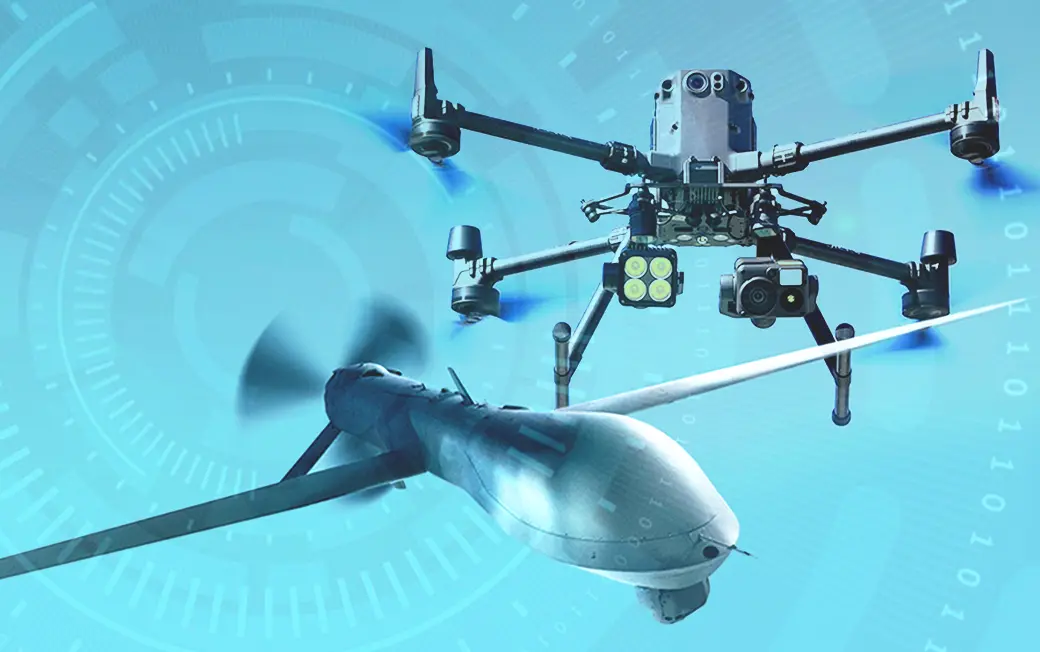
The rapid growth of unmanned aerial systems (UAS) has reshaped industries ranging from agriculture to defense. At the heart of this revolution lies one critical innovation: composites for drones. These advanced materials are transforming drone manufacturing by offering lightweight strength, durability, and enhanced performance.
If you’re looking to understand why modern drone manufacturers are shifting toward composite materials, this guide explains everything—from material types to real-world benefits and future trends. Plus, we’ll highlight trusted suppliers like MakoRabco, a leading provider of high-performance composite solutions for drone and UAS applications.
✈️ What Are Composites for Drones?
Composites are engineered materials made by combining two or more distinct substances to create a product with superior properties. In the drone industry, composites typically combine:
- Reinforcement fibers (carbon, glass, aramid)
- Resin matrices (epoxy, polyester, vinyl ester)
The result? A material that is lighter than metal yet incredibly strong and resistant to environmental stress.
Unlike traditional aluminum frames, composites for drones allow manufacturers to build UAVs that are efficient, durable, and capable of handling demanding missions.
🔬 Types of Composites Used in Drone Manufacturing
1️⃣ Carbon Fiber Composites
Carbon fiber is the gold standard in UAV manufacturing.
Benefits:
- Exceptional strength-to-weight ratio
- High stiffness
- Corrosion resistance
- Excellent fatigue performance
Carbon fiber is widely used in:
- Drone arms and frames
- Propeller blades
- Structural components
2️⃣ Glass Fiber Composites
Glass fiber offers a more cost-effective solution.
Benefits:
- Good impact resistance
- Electrical insulation properties
- Lower production cost
It’s ideal for:
- Mid-range commercial drones
- Structural reinforcements
3️⃣ Aramid Fiber (Kevlar-Type) Composites
Known for impact resistance and toughness.
Benefits:
- Vibration dampening
- High impact absorption
- Lightweight durability
Used in:
- Military UAV shells
- Protective housings
🎯 Why Composites for Drones Are Game-Changing
⚡ 1. Lightweight Design = Longer Flight Time
Every gram matters in UAV performance. Composite materials significantly reduce weight, leading to:
- Improved battery efficiency
- Extended flight duration
- Increased payload capacity
🛡️ 2. Superior Strength & Structural Integrity
Despite being lightweight, composites offer exceptional mechanical strength. They resist:
- Fatigue
- Cracking
- Structural deformation
This makes them ideal for both commercial and defense-grade drones.
🌦️ 3. Environmental Resistance
Drones operate in harsh conditions:
- UV exposure
- Humidity
- Rain
- Temperature extremes
Composite materials resist corrosion and degradation better than metals.
🔇 4. Vibration Reduction
Vibration can damage sensitive onboard electronics. Composite structures naturally dampen vibrations, protecting:
- Cameras
- Sensors
- Communication systems
💡 5. Design Flexibility
Composites allow complex shapes and aerodynamic forms that are difficult to achieve with metal. This enhances:
- Aerodynamics
- Stability
- Energy efficiency
🏭 Industries Benefiting from Composite Drone Technology
Composites are driving innovation across industries:
| Industry | Drone Application |
|---|---|
| Agriculture | Crop monitoring, spraying |
| Defense | Surveillance, reconnaissance |
| Construction | Site mapping, inspection |
| Energy | Wind turbine & pipeline inspection |
| Emergency Services | Search and rescue |
Manufacturers rely on trusted suppliers like MakoRabco for aerospace-grade composite materials tailored for UAV innovation.
🛠️ Manufacturing Process of Composite Drone Components
Step 1: Material Selection
Engineers choose fibers and resin systems based on mission requirements.
Step 2: Lay-Up Process
Fibers are layered in specific orientations for strength optimization.
Step 3: Resin Infusion
Resin is applied to bind fibers together.
Step 4: Curing
Heat and pressure cure the material into a solid, rigid structure.
Step 5: Finishing & Testing
Final components undergo quality checks for:
- Tensile strength
- Fatigue resistance
- Weight compliance
🌍 Sustainability & Future Trends
The future of composites for drones includes:
- Recyclable composite systems
- Bio-based resins
- Automated composite manufacturing
- AI-optimized structural design
As UAV demand rises globally, advanced composite technologies will continue pushing the boundaries of efficiency and performance.
❓ Frequently Asked Questions (FAQs)
1. Why are composites better than aluminum for drones?
Composites offer a higher strength-to-weight ratio, corrosion resistance, and vibration dampening—making them superior for UAV applications.
2. Are carbon fiber drones more expensive?
Yes, but they provide better performance, longer lifespan, and reduced maintenance costs.
3. Do composites improve drone flight time?
Absolutely. Lighter materials mean less power consumption and extended battery life.
4. Are composite drones weather-resistant?
Yes. Composite materials resist corrosion, moisture, and UV damage better than metals.
5. Can composites handle heavy payload drones?
High-grade carbon fiber composites are engineered to support heavy payload and long-endurance missions.
🏁 Conclusion
The future of UAV innovation depends heavily on advanced material science. Composites for drones are not just a trend—they are the backbone of next-generation unmanned systems. From increased flight time to improved durability and design flexibility, composites unlock performance levels traditional materials simply cannot match.
By leveraging cutting-edge composite technology, manufacturers can build stronger, lighter, and more efficient drones ready to meet tomorrow’s challenges.